

What Is Web Design? A Strategic Guide for Modern Businesses
Learn what web design really is and why it plays a critical role in business growth. This guide breaks down the fundamentals of web design, user experience, SEO, performance, and strategy to help you understand how a well-designed website can attract visitors, build trust, and convert traffic into customers.
READ TIME: 8 mins
When most people hear the term “web design,” they immediately think about visuals—colors, layouts, fonts, or images. While those elements are certainly part of the process, web design is far more than simply making a website look attractive.
Modern web design is about communication, strategy, usability, and performance. A well-designed website does not just exist online; it helps businesses build trust, generate leads, improve visibility, and support long-term growth.
Unfortunately, many businesses approach web design from the wrong perspective. They focus entirely on aesthetics without considering how the website functions as a business tool. The result is often a visually appealing website that fails to convert visitors into customers.
Understanding what web design actually is—and how it impacts your business—is the first step toward building a website that performs.
If you want a broader breakdown of how strategy, usability, and growth intersect, start with our complete Web Design Guide.
Web Design Is More Than Visual Appearance
At its core, web design is the process of planning and creating the structure, layout, content presentation, and user experience of a website. It combines aesthetics with functionality to ensure visitors can easily navigate the site, understand the message, and take action.
Good web design helps users accomplish goals quickly and intuitively. Whether someone is trying to learn about your services, contact your business, request a quote, or make a purchase, the design of your website directly affects how easily they can do so.
This is where many businesses make a costly mistake. They assume that if a website looks modern, it is automatically effective. In reality, appearance alone does not determine performance.
A high-performing website must balance several key elements simultaneously:
- Clear messaging
- User-friendly navigation
- Mobile responsiveness
- Fast loading speeds
- Search engine optimization
- Conversion-focused structure
When these elements work together, your website becomes more than an online brochure—it becomes a growth asset.
This is the philosophy behind our web design services, where strategy and performance are prioritized alongside visual design.
Why Web Design Matters for Businesses
Your website is often the first impression people have of your business. Before a customer contacts you, visits your location, or requests your services, they are likely evaluating you online.
That evaluation happens quickly.
Within seconds, visitors begin forming opinions about your credibility, professionalism, and trustworthiness based on the experience your website provides. If the design feels outdated, confusing, or inconsistent, users may leave before ever learning about your services.
On the other hand, a well-designed website immediately creates confidence. It communicates professionalism without needing to say it directly.
This is especially important in competitive industries where customers are comparing multiple businesses at once. Your website often becomes the deciding factor between whether someone chooses you or continues searching.
Beyond first impressions, web design also affects measurable business outcomes. A strategically designed website can:
- Increase lead generation
- Improve conversion rates
- Reduce bounce rates
- Enhance user engagement
- Improve SEO performance
- Support paid advertising campaigns
In many ways, your website serves as the foundation of your digital marketing efforts. Every SEO campaign, advertisement, social media post, or email marketing effort ultimately leads people back to your site. If the website experience is poor, the effectiveness of all those marketing efforts decreases.
That is why web design and digital marketing should never be treated as separate initiatives.
Our article on effective website design tips for digital marketing explores this relationship in greater detail.
The Main Components of Web Design
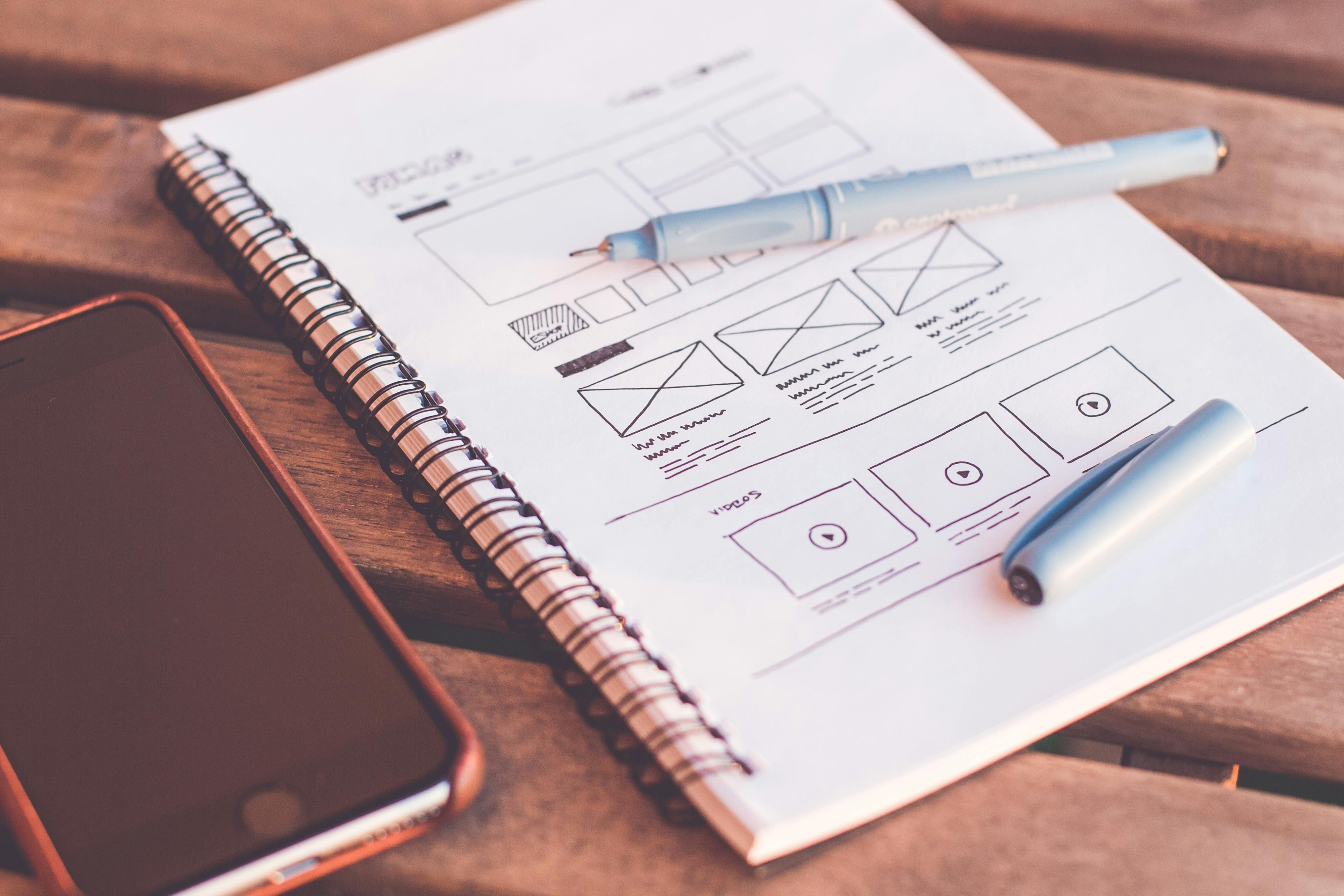
Web design is made up of several interconnected disciplines that work together to create a seamless user experience.
Layout and Structure
The layout of a website determines how information is organized and presented. Effective layouts guide users naturally through the page, helping them focus on the most important content first.
A strong layout improves readability, usability, and conversions by making information easy to consume.
User Experience (UX)
User experience focuses on how visitors interact with the website. A good UX ensures the site feels intuitive, simple, and easy to navigate.
If users struggle to find information, become frustrated by confusing navigation, or encounter unnecessary friction, they are likely to leave the site altogether.
Responsive Design
Modern websites must function properly across all devices, especially mobile devices. Responsive design ensures that layouts, images, and content adapt to different screen sizes while maintaining usability.
With mobile traffic continuing to dominate online browsing, responsive design is no longer optional—it is essential.
Branding and Visual Design
Visual design includes colors, typography, imagery, spacing, and overall style. These elements shape how users perceive your brand and contribute to the emotional experience of using the site.
Strong branding creates consistency and reinforces credibility.
Website Performance
Website speed and technical performance are critical components of web design. Slow-loading pages frustrate users and negatively impact search engine rankings.
Performance optimization helps improve both user experience and visibility on Google.
Search Engine Optimization (SEO)
Web design and SEO are closely connected. Site structure, mobile usability, page speed, and content organization all influence how search engines evaluate your website.
A beautiful website that cannot be found on Google will struggle to generate consistent traffic.
If visibility is a challenge for your business, our guide on how to get your website found on Google explains the fundamentals of improving online discoverability.
The Difference Between Web Design and Web Development
Although the terms are often used interchangeably, web design and web development are not the same thing.
Web design focuses on:
- User experience
- Layout
- Visual presentation
- Branding
- Interface design
Web development focuses on:
- Coding
- Functionality
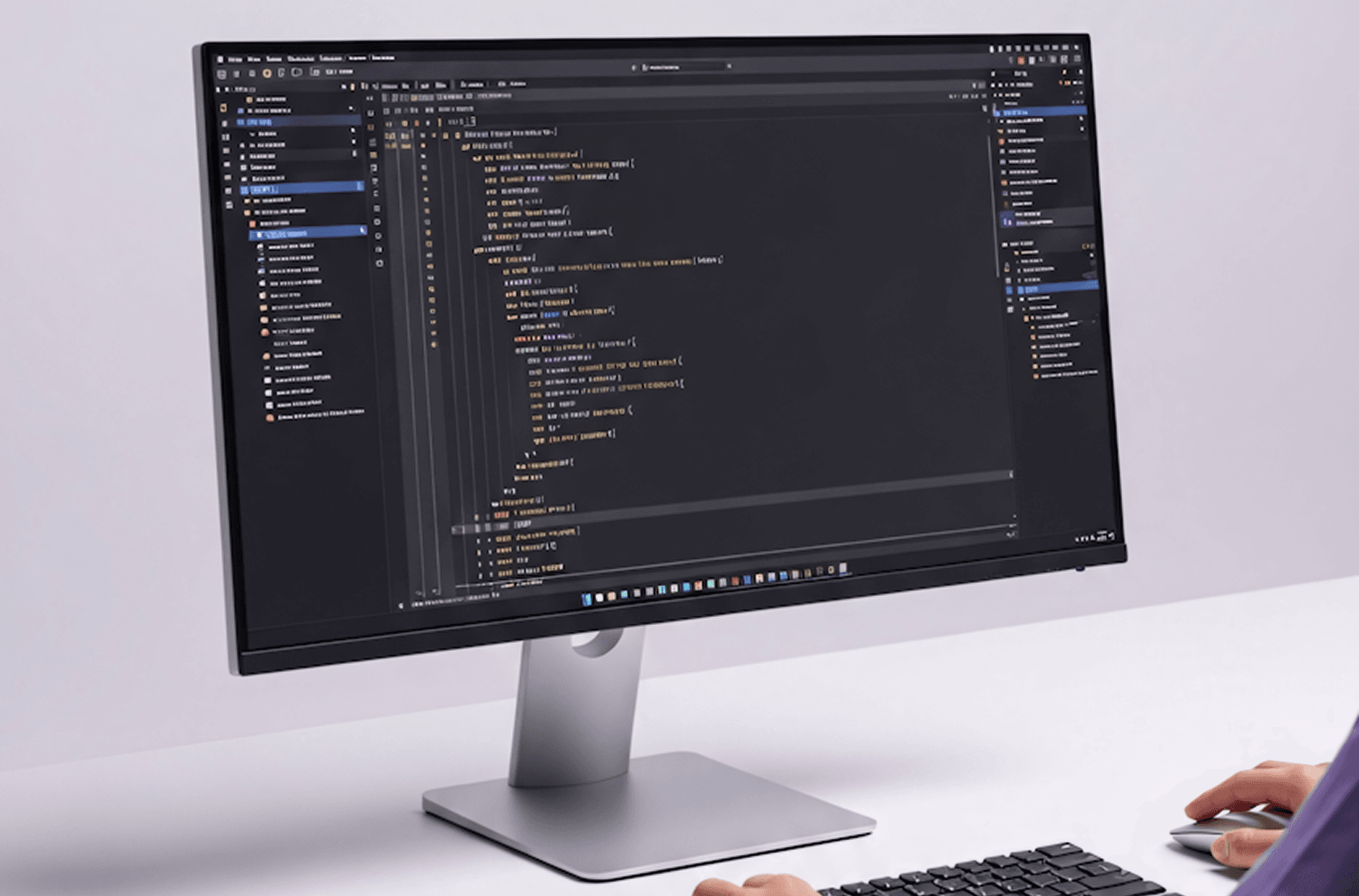
- Technical implementation
- Database integration
- Performance optimization
In simple terms, web design determines how a website looks and feels, while web development determines how it functions behind the scenes.
Both disciplines are essential for building a successful website. Without good design, users may not trust the business. Without solid development, the site may not function properly.
The best websites integrate both seamlessly.
What Makes a Good Website Design?
Good web design is intentional.
It is not about adding flashy animations or overwhelming users with visual effects. In fact, overly complicated websites often perform worse because they create confusion and distraction.
A strong website design prioritizes clarity and usability above everything else.
Visitors should immediately understand:
- What your business does
- Who your services are for
- What action they should take next
This is where conversion-focused design becomes important. Every section of the website should support a larger goal, whether that goal is generating leads, booking consultations, or encouraging inquiries.
High-performing websites also create a sense of trust. This can be achieved through:
- Consistent branding
- Professional visuals
- Testimonials and reviews
- Case studies
- Clear messaging
- Strong calls-to-action
Our article on how to build a website that actually drives growth explores how strategic web design supports long-term business performance.
How Much Does Web Design Cost?
One of the most common questions businesses ask is how much web design costs.
The answer depends on several factors, including:
- Project scope
- Custom functionality
- Number of pages
- Design complexity
- SEO requirements
- Content strategy
- Integrations and features
Some websites can be built relatively inexpensively using templates and basic functionality. However, businesses looking for long-term growth often require a more strategic approach.
A professionally designed website is not simply an expense—it is an investment in your brand, visibility, and customer acquisition.
If you are evaluating pricing, our article on how much web design costs in 2026 provides a deeper breakdown of what influences cost and value.
Why Strategy Matters in Web Design
One of the biggest misconceptions about web design is that the visual layer comes first.
In reality, strategy should come before design.
Before choosing colors, layouts, or typography, businesses need clarity around:
- Their target audience
- Their business goals
- Their positioning
- Their messaging
- Their conversion objectives
Without strategy, web design becomes guesswork.
A strategy-first approach ensures every part of the website serves a purpose. Instead of creating pages simply to fill space, each section is intentionally designed to guide users toward action.
This is what separates average websites from websites that actually perform.
Businesses that understand this often gain a significant competitive advantage because their websites become aligned with larger marketing and growth goals.
You can explore our broader approach to strategy and digital execution on our services page.
Final Thoughts
Web design is far more than visual appearance.
It is the combination of strategy, usability, branding, structure, and performance working together to create an experience that supports business growth.
A well-designed website helps users trust your business, understand your value, and take action confidently. It supports SEO, improves marketing performance, and strengthens your overall online presence.
Most importantly, effective web design is intentional. Every section, every layout choice, and every interaction should contribute to a larger business objective.
If your current website is not generating results, the issue may not be your business—it may be the strategy behind the website itself.
For a more in-depth breakdown of modern web design principles, continue reading our complete Web Design Guide or explore our professional web design services to see how strategy-driven design can help your business grow.