
Why Most Small Business Websites Fail to Convert
Most small business websites fail because they are built to exist, not convert. Without clear strategy, trust, and a simple path to action, visitors leave without becoming leads.
READ TIME: 15 - 17 mins
Most small business websites don’t fail because they look bad. They fail because they are not built to turn attention into action.
That might sound simple, but it’s one of the biggest reasons business owners get frustrated with their websites. They invest in a new design, update their photos, rewrite a few sections, add a contact form, and expect leads to start coming in. But after a few weeks or months, the results don’t match the effort.
The website is live. The pages are there. The business looks legitimate.
But the phone is not ringing. The forms are not coming in. Visitors are landing on the site and leaving without taking any action.
That’s not random. It usually means the website has a conversion problem.
A website conversion happens when a visitor takes a meaningful action. That could be filling out a form, requesting a quote, booking a call, calling your business, signing up for a newsletter, or making a purchase. For most small businesses, the goal is simple: turn more visitors into real opportunities. We cover this concept in more detail in what makes a high-converting website.
The problem is that many websites are built to exist, not perform. They provide information, but they do not guide decisions. They explain services, but they do not create urgency. They look professional, but they do not make it easy for someone to trust the business and take action.
Here is why that happens.
You Treat Your Website Like a Digital Business Card
Most small business websites fail because they are created like digital business cards instead of high-performing business systems.
They list the company name, services, phone number, and maybe a few photos. But beyond that, they do very little to help the business grow. There is no clear strategy behind the content, no intentional path for the visitor, and no real plan for turning attention into leads.
Your website could be your best employee. It works around the clock. It can explain your value, answer common questions, build trust, qualify potential customers, and guide people toward taking action.
But that only happens when it is built with purpose. Without strategy, your website sits there. With strategy, it works for you. This is one reason businesses benefit from following the process described in our web design guide.
A strong website is not just a place people visit. It is part of your sales process. It should help visitors understand what you do, why it matters, who you help, and what they should do next. If your website is not doing those things, it is not supporting your business the way it should.
This is where many small businesses get stuck. They think the goal is to “have a website.” But the real goal is to have a website that creates clarity, builds trust, and moves people closer to becoming customers.

Your Messaging Is Unclear
People do not spend much time trying to figure out what a business does. If your website makes them work too hard, they will leave.
One of the fastest ways to lose a visitor is unclear messaging. This happens when your homepage uses vague phrases, industry terms, or broad claims that sound nice but do not say much.
Statements like “solutions built for your success” or “quality service you can trust” may sound professional, but they do not tell the visitor what you actually do or why they should care.
Clear messaging answers three things quickly: what you offer, who it is for, and what result the customer can expect.
For example, a local roofing company should not lead with a generic statement like “Committed to excellence in every project.” A stronger message would be something like, “Roof repair and replacement for homeowners who need the job done right the first time.” That tells the visitor what the business does, who it serves, and what matters.
The same principle applies to almost every small business website. If someone lands on your site and has to search for basic answers, the website is already creating friction.
Clarity beats cleverness. Every time.
Your Value Proposition Is Weak
Your value proposition is the reason someone should choose your business instead of another one.
Many small business websites explain what they do, but they don’t explain why it matters. They list services, features, and credentials, but they don’t connect those things to outcomes their customers actually care about.
A plumber does not only fix pipes. They prevent water damage, reduce stress, and help homeowners get their day back to normal. A web design company does not only build websites. It helps businesses create a stronger online presence, generate leads, and support growth. A law firm does not only provide legal services. It helps people protect themselves, make informed decisions, and move forward with confidence.
That is why strong website design and development should connect the service to the business outcome, not just describe what gets built.
That difference matters.
Customers are not only buying the service. They are buying the result, the relief, the confidence, or the improvement that comes with it.
If your website only talks about your business, your team, your process, and your services, it may miss the thing the customers care about most: what’s in it for them.
A strong value proposition makes the benefit obvious. It helps the visitor feel like they are in the right place. It also makes your business easier to remember because the message is tied to a clear outcome.

You Focus Too Much on Design Alone
A good-looking web design is important. But design alone does not create conversions.
This is one of the most common mistakes small businesses make. They assume that if the website looks modern, polished, and professional, it should automatically perform better. Sometimes it does. But only if the design supports the strategy.
A beautiful website can still fail if the message is weak, the pages are confusing, the calls to action are unclear, or the visitor does not trust the business enough to take the next step.
Design should not just decorate the page. It should guide attention.
The layout should help visitors understand what matters first. The spacing should make content easier to read. The images should support the message. The buttons should stand out. The page structure should move the visitor from interest to confidence to action.
Good design is not just about how the website looks. It’s about how the website works.
A website can be visually impressive and still be ineffective. On the other hand, a simple website with strong messaging, clear structure, and a direct call to action can outperform a flashy site that gives visitors no clear path forward.
If the design looks good but the website still is not producing leads, it may be time to look at web design services through a strategy and conversion lens, not just a visual one.
There Is No Clear User Flow
User flow is the path a visitor takes through your website.
A strong website does not leave that path to chance. It guides people from one step to the next in a natural way. It helps them understand the problem, see your solution, trust your business, and take action.
Many small business websites feel like a collection of separate pages instead of a connected experience. The homepage says one thing. The service page says another. The about page is disconnected from the offer. The contact page feels like an afterthought.
When that happens, visitors are forced to create their own path. Some may figure it out. Many will not.
A strong user flow should feel almost invisible. The visitor should not have to think too hard about where to go next. The page should naturally answer the next question they are likely to have.
After they understand what you do, they may want to know whether you can help someone like them. After that, they may want proof. Then they may want to understand the process. Then they may be ready to reach out.
That is the journey your website should support. This is where effective website design tips for digital marketing can help connect layout, messaging, and conversion strategy into one clearer path.
If your website jumps straight from “here are our services” to “contact us,” it may be asking for action before enough trust has been built.

There Is No Clear Next Step
Every important page on your website should have a job.
Some pages should educate. Some should build trust. Some should explain a service. Some should help people compare options. But every page should move the visitor somewhere useful.
Many small business websites are failing because the next step is unclear. The visitor reads the page, reaches the bottom, and then has to decide what to do on their own.
That is a problem.
A call to action, often called a CTA, is the prompt that tells the visitor what to do next. It could be “Request a Quote,” “Schedule a Consultation,” “Book an Appointment,” “Call Today,” or “Request a Website Audit.”
But a good CTA is not just a button. It is part of the page strategy.
The visitor needs to understand why taking action makes sense. A button by itself will not fix weak messaging or low trust. But when the page has done its job, a clear CTA gives the visitor an easy next step.
The mistake is either having no CTA, having too many competing CTAs, or using vague language like “Learn More” everywhere.
“Learn More” can work in some places, but it is often too passive. If the goal is to generate leads, your CTA should be specific and tied to what the customer wants.
Make the next step obvious. Make it easy. Make it feel worthwhile. If this is where your site is struggling, our article on why your website isn’t generating leads goes deeper into the specific issues that stop visitors from becoming inquiries.
Your Website Lacks Trust Signals
People are cautious online, and they should be.
Before someone contacts your business, they are usually looking for signs that you are credible. They want to know whether you are real, capable, reliable, and worth their time.
Trust signals help answer those concerns.
These can include reviews, testimonials, case studies, project examples, certifications, awards, client logos, team photos, clear contact information, business history, and strong about-page content.
For small businesses, trust is often the difference between a visitor leaving and a visitor reaching out.
Imagine someone looking for a contractor. They land on two websites. One has generic service descriptions and a contact form. The other has project photos, customer reviews, clear service areas, before-and-after examples, and a simple explanation of what happens after someone requests an estimate.
The second business feels safer.
You can see this in action in our Chateau Dijon Townhomes web design case study, where proof, structure, and presentation all helped create a more credible online experience.
That is what trust signals do. They reduce doubt.
Many small businesses assume visitors already trust them because referrals or word of mouth brought them to the site. But even referred customers still check websites. They still compare. They still look for confirmation.
Your website should make people feel more confident about choosing you.

The Mobile Experience Is Poor
A website that works on desktop but feels frustrating on mobile will lose leads.
Many customers visit small business websites from their phones. They are searching between errands, during lunch breaks, after work, or while comparing options quickly. They do not want to pinch, zoom, hunt for buttons, or wait for oversized images to load.
A poor mobile experience creates instant friction.
Common mobile problems include text that is too small, buttons that are hard to tap, menus that are confusing, forms that are annoying to complete, and pages that feel cluttered on smaller screens.
This matters because mobile visitors often have strong intent. Someone searching for a local service on their phone may be ready to call. If the phone number is hard to find or the site is difficult to use, that lead may go to a competitor.
Mobile design is not just about making the website fit on a smaller screen. It is about making the experience simple for someone who may be ready to act right now.
Your phone number, main CTA, service information, and location details should be easy to find. The site should load quickly. The form should be simple. The content should be easy to scan. These are the kinds of issues that website optimization is designed to uncover and improve over time.
If mobile users have to fight the website, the website is costing you opportunities.
The Website Loads Too Slow
Speed affects trust, patience, and conversions.
People expect websites to load quickly. When a site feels slow, visitors start making judgments before they even read the first line of copy. A slow website can make a business feel outdated, careless, or unreliable, even if the actual service is excellent.
For small businesses, this is especially damaging because every visitor matters.
Slow load times can happen for many reasons. Large images, unnecessary plugins, poor hosting, bloated code, and heavy scripts can all drag performance down.
The hard part is that business owners do not always notice the issue. They may test the website from their own computer, on strong Wi-Fi, after the site has already loaded before. But a new visitor on a phone may have a very different experience.
Speed is not just a technical detail. It is part of the customer experience.
A fast website feels smoother, more professional, and easier to trust. It also helps users move through the site without losing momentum.
When someone is ready to take action, the website should not slow them down.
Your Navigation Is Confusing
Navigation should help people find what they need quickly.
If your website menu is cluttered, vague, or poorly organized, users may struggle to understand where to go. That confusion can lead to frustration, and frustration leads to exits.
Small business websites often make one of two mistakes with navigation. They either include too many options, which overwhelms visitors, or they use labels that are too vague, which makes visitors guess.
Your navigation should be simple and practical. Visitors should be able to quickly find your services, about page, contact information, and any important proof such as case studies or portfolio work.
The labels should be clear. “Services” is usually better than “Solutions.” “Contact” is better than “Let’s Connect” if clarity matters. “Case Studies” is stronger than “Success Stories” if your audience is trying to evaluate proof.
Creative wording can work in the right context, but clarity should come first.
Good navigation reduces effort. It gives visitors confidence that they can find what they need. It also supports the user flow by making the most important pages easy to reach.
If users feel lost, they rarely stick around.
Your Forms Create Too Much Friction
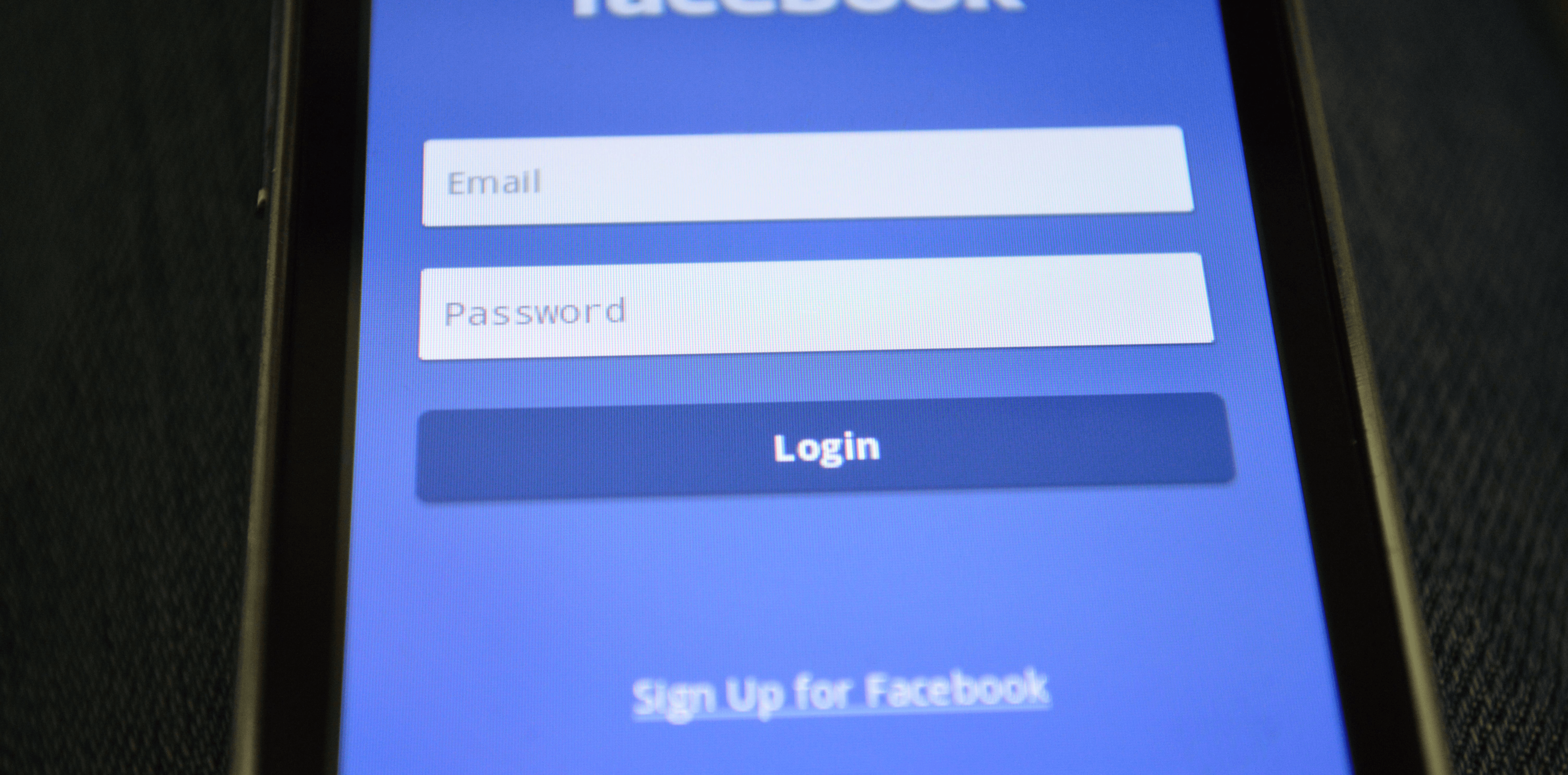
Forms are often where conversions happen, but they are also where many conversions die.
A visitor may be interested enough to reach out, but the form makes the process feel like work. It asks for too much information. The fields are unclear. The form looks too long. There is no message explaining what happens next. Or worse, the form does not work properly.
Every form field adds friction. That does not mean short forms are always better. Sometimes, a longer form can help qualify serious prospects. But the amount of effort should match the value of the next step.
If someone is requesting a quick quote, a simple form may work best. If someone is applying for a high-ticket service or requesting a detailed consultation, a more thoughtful form can make sense.
The key is intention.
Do not ask for information just because you can. Ask for what you need to move the conversation forward.
It also helps to set expectations. Tell people what happens after they submit the form. Will you respond within one business day? Will they receive a call? Will they get an email? Will there be a consultation?
Uncertainty creates hesitation. Clarity increases action.
You Have No Follow-Up System
Not every visitor is ready to buy right away.
That doesn’t mean they are a bad lead. It may mean they need more information, more trust, more time, or the right moment. If your website has no follow-up system, those visitors disappear.
A follow-up system helps you stay connected after the first interaction. This could be as simple as an email confirmation, a short nurture sequence, a CRM reminder, a retargeting campaign, or a helpful resource that keeps your business top of mind.
Many small businesses focus only on getting the initial inquiry. But the real opportunity is often in what happens next.
If someone fills out a form and does not hear back quickly, trust drops. If someone downloads a resource and never receives a follow-up, momentum fades. If someone visits your website but is not ready to contact you, there should still be a way to stay connected.
Your website should not operate alone. It should connect to a larger system that helps turn interest into relationships and relationships into revenue.
For service businesses, this can be especially powerful. A visitor may not be ready today, but with the right follow-up, they may become a strong lead later.

You Are Not Tracking Performance
If you are not tracking how your website performs, you are guessing.
Many small business owners know their website is not producing enough leads, but they do not know why. They do not know which pages people visit, where users leave, which calls to action get clicked, or how many form submissions come from the site.
Without that information, every change becomes a guess.
Performance tracking does not have to be complicated. At a basic level, you should know how many people visit your website, where they come from, which pages they view, and how often they take action.
You should also track important conversion points like form submissions, phone clicks, appointment bookings, and quote requests.
This matters because small improvements can compound over time.
If you learn that people are visiting your service page but not contacting you, the page may need stronger proof, clearer messaging, or a better CTA. If mobile users are leaving quickly, the mobile experience may need work. If a blog post gets traffic but no leads, it may need better internal links or a stronger next step.
Data helps you make smarter decisions.
You don’t need to obsess over every number. But you do need enough visibility to understand what is working, what is underperforming, and where the biggest opportunities are.
The Website Was Launched and Forgotten
A website is not a one-off, one-time project.
This is one of the biggest mindset shifts small businesses need to make. Many business owners launch a website, check it off the list, and move on. But markets change. Customer behavior changes. Competitors improve. Search engines update. Your services evolve. Your proof gets stronger.
If your website does not improve with your business, it slowly falls behind.
A high-performing website should be reviewed, tested, and refined over time. Ongoing website improvement helps turn your site from something static into something that keeps getting stronger as your business grows. That does not mean redesigning it every few months. It means paying attention to performance and making smart updates.
You may need to improve a headline, add a stronger CTA, update service pages, publish helpful content, add new testimonials, improve page speed, simplify a form, or adjust the user flow.
Small improvements can make a meaningful difference.
Your website should grow with your business. It should become more useful, more persuasive, and more effective over time.
When a website is launched and forgotten, it becomes stale. When it is maintained and improved, it becomes an asset.

Your Website Should Help the Business Grow
Most small business websites fail to convert because they are missing the pieces that turn visitors into leads.
They may look fine on the surface, but underneath, there is no clear strategy. The messaging is vague. The value is unclear. The user flow is weak. The calls to action are passive. Trust signals are missing. Mobile performance is poor. Forms create friction. Tracking is limited. And after launch, the site is rarely improved.
That is not a design problem alone.
It is a business problem.
Your website should not simply tell people that your business exists. It should help them understand why your business matters. It should make the next step easy. It should build trust before the first conversation. It should support your sales process, your marketing efforts, and your long-term growth.
A website that converts is not built by accident. It is built with strategy, structure, and purpose.
If your website is not generating leads consistently, the answer is not always more traffic. More traffic sent to a weak website usually creates more missed opportunities.
The better first step is to understand where your website is losing people and what needs to change.
Your website could be one of the hardest-working assets in your business. It can educate, guide, qualify, and convert around the clock.
But only if it is built to perform.
If your website is sitting there instead of working for you, it may be time to request a website audit to take a closer look at what is holding it back.