
How Much Does Web Design Cost in 2026? (Pricing Guide for Businesses)
Understand what web design really costs in 2026—from budget templates to high-performance custom builds. Learn what drives pricing, what impacts results, and how to choose the right investment for your business so your website generates leads, not just looks good.
READ TIME: 5 mins
How Much Does Web Design Cost in 2026?
Web design pricing can feel all over the place—and honestly, that’s because it is.
You’ll see $500 websites, $5,000 builds, and $15,000+ custom projects all competing for your attention. At first glance, they can look similar. Clean layouts. Modern designs. Maybe even decent copy.
But what you’re really paying for isn’t just design.
You’re paying for strategy, structure, and performance—the things that determine whether your website actually produces results.
If you want a deeper understanding of how all the pieces fit together, start with the web design guide. It breaks down how websites move from simple assets to full growth systems.
Low-Cost Websites ($500–$3,000)
At the lower end, websites are typically built using pre-made templates with minimal customization. They’re fast to launch and require little upfront investment, which is why they’re appealing—especially for businesses just trying to “get online.”
These sites usually include basic pages, simple layouts, and limited functionality. They can serve a purpose if all you need is a digital placeholder.
But here’s where they fall short: they’re not built with performance in mind.
There’s little to no strategy behind user flow, messaging, or conversion. That means even if you get traffic, the site often fails to turn visitors into leads or customers. Over time, that “cheap” website becomes expensive because it doesn’t produce anything in return.
Mid-Range Websites ($3,000–$10,000)
Mid-range websites are a step up in both quality and capability.
At this level, you’ll typically see more customization, stronger visual design, and a basic SEO setup. The site may feel more aligned with your brand, and in some cases, it can perform reasonably well—especially when paired with traffic efforts like SEO or ads.
But there’s still a common gap: depth of strategy.
Many mid-tier builds improve how a site looks and functions, but they don’t fully address how it converts. Messaging may not be optimized. User journeys may not be intentional. Calls-to-action may exist—but not in the right places or with the right structure.
This is often where businesses plateau. The site is “good,” but not great—and growth becomes inconsistent.
High-End Websites ($10,000–$25,000+)
This is where things shift.
High-end websites aren’t treated as design projects—they’re built as growth systems.
Everything starts with strategy: understanding your audience, your positioning, and how users move from first visit to final decision. From there, the design, structure, and content are all built to support that journey.
These websites typically include custom design, conversion-focused layouts, performance optimization, and intentional user flows. Every element has a job—whether it’s building trust, guiding attention, or driving action.
This is also where you start to see alignment with broader efforts like SEO, paid traffic, and content marketing. Instead of working in isolation, the website becomes the center of everything.
If you’re serious about results, this is the level where real growth starts to happen.
What Actually Impacts Web Design Cost?
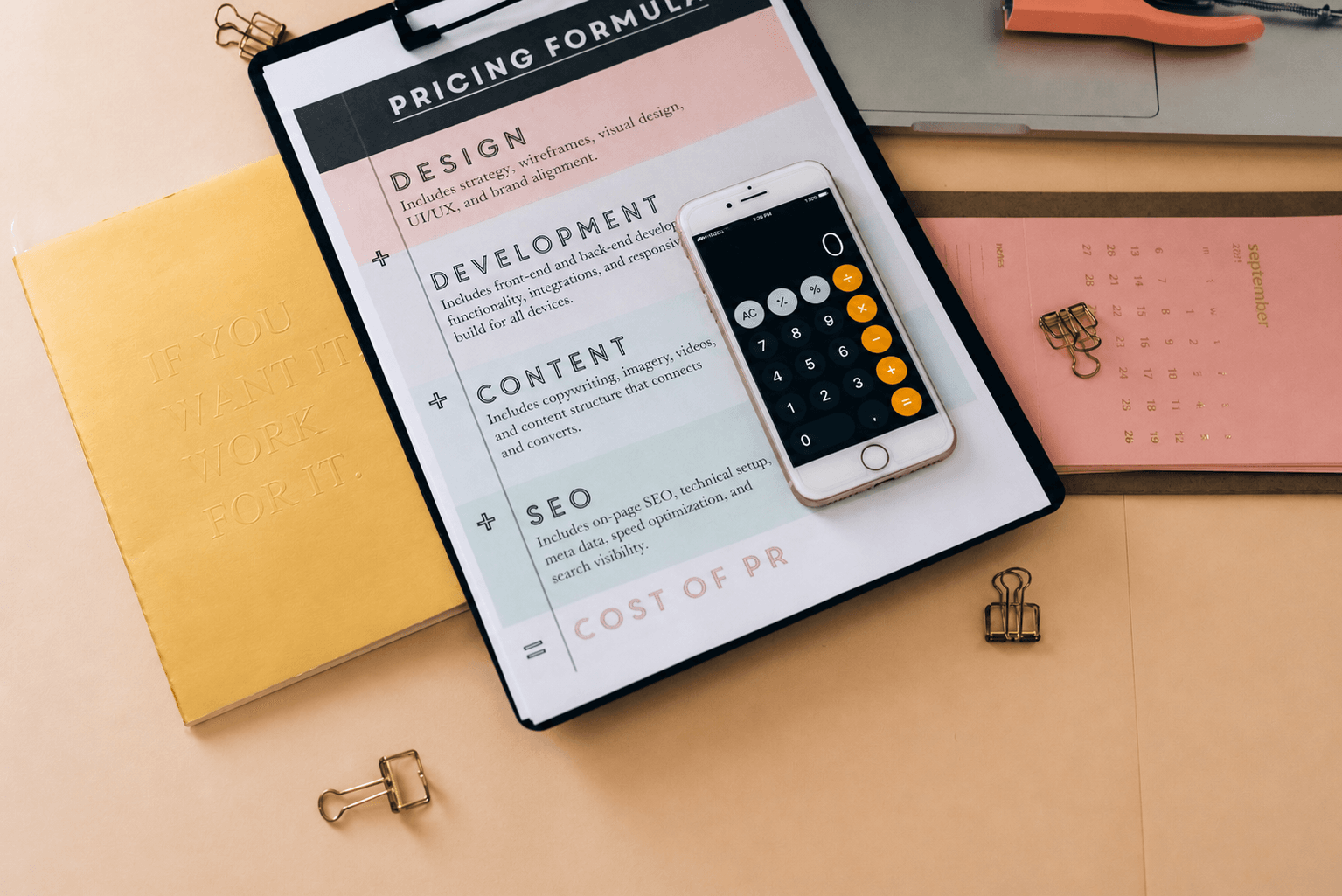
Pricing isn’t random—it’s based on a few key variables.
The number of pages plays a role, but more importantly, it’s how those pages are structured. A five-page site built strategically can outperform a twenty-page site with no direction.
Custom functionality also affects cost. Features like booking systems, integrations, or advanced interactions require more planning and development.
But the biggest factor—by far—is strategy.
That includes messaging, user experience, conversion planning, and how the website fits into your overall marketing system. It’s the difference between building something that looks good and building something that performs.
Content and copywriting also matter more than most people expect. Clear, persuasive messaging can dramatically improve conversion rates, while weak copy can quietly kill performance.
And finally, there’s ongoing optimization. High-performing websites aren’t static—they’re tested, refined, and improved over time.
Investment vs. Expense
Here’s where most businesses get it wrong.
They focus on price instead of outcome.
A low-cost website that doesn’t generate leads is not a savings—it’s a missed opportunity. It sits there, looking decent, but doing nothing for your business.
On the other hand, a strategic website that consistently brings in inquiries, bookings, or sales pays for itself over and over again.
That’s the real difference between an expense and an investment.
And it aligns with what we see across small businesses entering the online space—many struggle not because they didn’t build a website, but because they didn’t build one that actually works .
Final Thought
If your website isn’t producing results, the issue usually isn’t the price you paid—it’s how it was built.
Structure, strategy, and intent are what determine performance.
If you want to see how this translates into a real approach, explore /web-design to understand how websites can be built as systems—not just projects.
And if you want clarity on where your current site stands:
👉 Request a breakdown of what’s working, what’s not, and where the biggest opportunities are.
Because once you understand that, the question isn’t “how much does web design cost?”
It becomes: what is your website actually worth to your business?